
lulaholyfield
About lulaholyfield
Exploring the Dynamics and Impacts of Private Airplane Flights
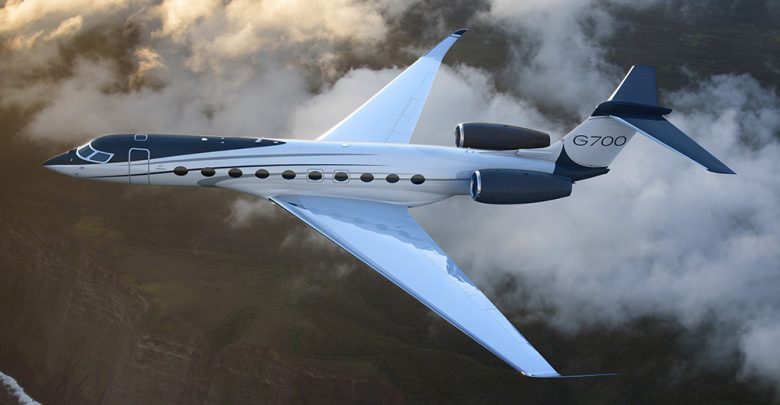
Private airplane flights have become a big facet of the aviation industry, catering to a diverse clientele ranging from business executives to leisure travelers. This text delves into the dynamics of private aviation, its benefits and challenges, the environmental implications, and future traits that would shape its landscape.
The growth of Private Aviation
The private aviation sector has witnessed outstanding progress over the past few decades. Based on the National Business Aviation Association (NBAA), the number of private jets within the United States alone has elevated significantly because the early 2000s. This development may be attributed to a number of factors, including globalization, the rise of the entrepreneurial class, and the rising need for efficient travel options. Private flights supply flexibility, comfort, and time savings that industrial airways typically can not match.
Benefits of Private Flights
- Time Efficiency: One of the vital compelling reasons for selecting private flights is the numerous time savings they offer. Passengers can avoid lengthy security strains and boarding processes associated with business flights. Moreover, private jets can access hundreds of airports worldwide, allowing travelers to land closer to their ultimate destination.
- Flexibility and Convenience: Private flights provide unparalleled flexibility in scheduling. Travelers can set their own departure occasions, which is particularly advantageous for business executives who may need to adjust their plans at a moment’s discover. Additionally, passengers can choose their most well-liked routes and even make unscheduled stops.
- Privacy and Comfort: Private jets offer an exclusive atmosphere for passengers, allowing for confidential meetings or relaxation without the distractions typically found in industrial journey. The power to customize the in-flight expertise, from catering to cabin configuration, enhances consolation and satisfaction.
- Access to Remote Locations: Many private aircraft can land at smaller airports that are not serviced by industrial airways, offering access to remote or underserved locations. This functionality is particularly helpful for industries such as mining, oil, and agriculture, the place journey to remote websites is usually essential.
Economic Impact
The private aviation industry plays a vital function in the worldwide economy. It helps a whole lot of 1000’s of jobs and contributes billions of dollars to local economies. If you are you looking for more information about privatejetcardreview stop by the page. In accordance with a study by the Economic Impression of Business Aviation, the industry generates approximately $a hundred and fifty billion in financial output annually within the United States alone. This consists of jobs in manufacturing, upkeep, and repair industries related to private aviation.
Environmental Concerns
Regardless of its benefits, private aviation has confronted criticism regarding its environmental impression. Private jets are sometimes perceived as contributing disproportionately to carbon emissions in comparison with business flights. In accordance with the Worldwide Council on Clean Transportation (ICCT), private jets emit significantly extra CO2 per passenger mile than commercial aircraft.
Efforts to mitigate these impacts are underway. The trade is exploring using sustainable aviation fuels (SAFs) and more efficient aircraft designs to cut back emissions. Moreover, some private aviation companies are investing in electric and hybrid aircraft applied sciences, which promise to additional lower the environmental footprint of private flying.
Regulatory Landscape
Private aviation is subject to a fancy regulatory framework that varies by country. In the United States, the Federal Aviation Administration (FAA) oversees private flights, establishing security requirements and operational guidelines. Internationally, the Worldwide Civil Aviation Group (ICAO) gives a framework for aviation security and environmental standards.
Regulations can affect the growth and accessibility of private aviation. As an example, stringent laws can enhance operational prices, probably limiting entry for smaller operators. Conversely, relaxed regulations might lead to increased competitors and innovation within the sector.
Future Trends
As we look to the future, a number of trends are more likely to shape the private aviation trade:
- Technological Advancements: The combination of superior applied sciences, reminiscent of synthetic intelligence and large data, is anticipated to boost operational effectivity and customer service in private aviation. Predictive maintenance, for example, can assist operators decrease downtime and reduce costs.
- Sustainable Practices: The push for sustainability will proceed to drive innovation in the private aviation sector. The development of electric and hybrid aircraft, together with the broader adoption of SAFs, will play a pivotal role in decreasing the industry’s carbon footprint.
- Urban Air Mobility: The idea of city air mobility (UAM) is gaining traction, with several firms exploring the feasibility of air taxis and short-vary flights inside urban areas. This improvement could revolutionize transportation by alleviating floor visitors congestion and offering fast transit options.
- Changing Demographics: As younger generations change into more affluent, their journey preferences may differ from those of previous generations. Millennials and Gen Z travelers are extra inclined to seek distinctive experiences, which may drive demand for private aviation companies tailor-made to their preferences.
- Health and Security: The COVID-19 pandemic has heightened awareness of well being and safety in journey. Private aviation provides a managed atmosphere that may mitigate health dangers associated with crowded business flights. This facet might continue to attract travelers even because the pandemic recedes.
Conclusion
Private airplane flights represent a dynamic and evolving sector within the aviation industry. With their myriad advantages, including time effectivity, flexibility, and privacy, private flights cater to a diverse clientele seeking tailor-made travel experiences. However, the business should address environmental issues and navigate regulatory challenges whereas embracing technological developments and sustainable practices. As private aviation continues to grow, it would undoubtedly play a pivotal role in shaping the future of air travel.
No listing found.